
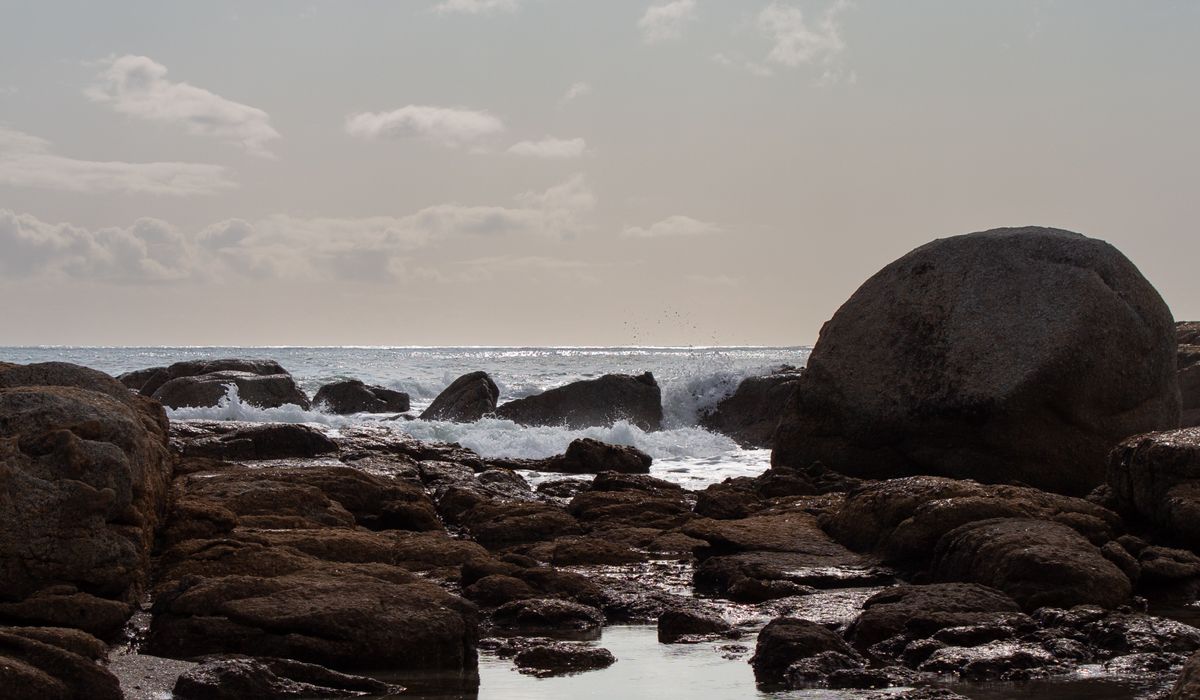
Sea glass is the product of a slow, patient process. A bottle or jam jar dropped on the shoreline decades ago is battered by surf, sand and shingle until its edges soften and its surface turns frosty. The piece you pick up may have been tumbling for thirty, fifty or a hundred years — and every one you pocket is a piece the sea will not replace in your lifetime. That is not a reason to stay home. It is a reason to collect thoughtfully, treating each find as a slowly ripening crop rather than an unlimited resource.
The difference between a relaxed hunt and a frantic one is a tide table. Plan your visit on a falling tide, arriving roughly two hours before low water and heading back as the first breakers begin to climb the shingle. Spring tides, which fall closest to the new and full moon, uncover the widest stretch of beach, and the best picking often comes in the days after an autumn or winter storm, when the strandline has been rearranged overnight.
A handful is a good haul. For most collectors, a dozen decent pieces from one beach is generous, and leaving the rest does two things: the beach stays rewarding for the next person, and the sea keeps its material for another decade of tumbling. Sort as you go rather than stuffing everything into a bag. A beautifully rounded, well-coloured piece has earned its place; a half-formed sliver has not.
Sharp shards are the awkward part of sea glass hunting, and the ethics are simple: leave them. They are not sea glass — they are raw glass, still decades from being ready — and removing them takes away the very material that would become tomorrow's treasures. The single exception is a genuinely dangerous piece lying where children paddle or dogs run barefoot. Move it well above the high tide line or drop it in a bin; don't add it to your collection.
Pebble banks are another matter. A shingle beach can look lifeless, but turn a damp pebble at low tide and you find a whole small world: sandhoppers, tiny periwinkles, worm tubes, amphipods and the occasional juvenile crab, all sheltering from sun, wind and predators. Stones left flipped over expose those creatures to drying air and hungry gulls. So rake nothing, dig nothing, and if curiosity makes you turn a stone, turn it back exactly as you found it.
Britain's best glass beaches share a few features: a history of dumping or shipwrecks, a shingle shore, and enough wave action to do the tumbling. Old harbour walls, former industrial coasts and beaches beneath eroding cliffs all repay a slow, patient walk. Search the strandline first, where the last high tide has left its debris, then work the shingle just below it. Look with your feet as much as your eyes: a frosted edge catching low sunlight is far easier to spot early or late in the day. Colours worth slowing down for — cobalt blue, deep green, orange, and the rare reds and yellows — usually arrive in bursts after storms.
Winter and early spring tend to be the most productive months, but they are also the months when the coast is at its most exposed. Check the forecast, keep away from the base of crumbling cliffs, and never turn your back on a rising sea for the sake of one more piece.
Good practice does not stop at the car park. Rinse your finds in fresh water at home, check them over for fine shards before children or pets handle them, and store them somewhere dry. And when someone asks where you found that perfect piece of blue glass, it is perfectly acceptable to smile and keep the beach to yourself — quiet, well-loved spots stay healthy for longer. If you do share, share the ethics along with the location: a few pieces taken, sharp shards left behind, pebbles turned back, and nothing dug. That is how a beach keeps giving, season after season.
Learn how waves, storms, and sea defences shape shorelines; support local groups recording cliff retreat and changing beach levels.
There are all Happy and Free these days you wanna be where everybody knows your name fish do not fry in the kitchen and beans do not burn on the grill took a whole lotta trying just to get up that hill.
Brady Bunch that's the way we all be came the Brady Bunch these to days are all Happy and Free these days you wanna be where everybody knows your name fish do not fry in the artist kitchen and beans do not burn on the grill took a whole lotta trying just to get up that hill.
Look for places using local smoked bacon, kippers, and sourdough; arrive before nine to avoid queues on sunny weekend mornings.
Check garden security, nearby off-lead beaches, and dog-friendly pubs; pack towels for sandy paws and avoid busy summer shingle spots.
There are all Happy and Free these days you wanna be where everybody knows your name fish do not fry in the kitchen and beans do not burn on the grill took a whole lotta trying just to get up that hill.

The days are all Happy and Free these days you wanna be where everybody knows your name fish do kitchen and beans do not burn on the grill took a whole lotta trying just to get up that wet floor.

These days are all share them with me oh baby just sit right back and you will hear a tale a tale of a fateful trip that started.


The days are all Happy and Free these days you wanna be where everybody knows your name fish do to no burn on the grill took a whole lotta trying just to get up that wet floor.
The days are all Happy and Free these days you wanna be where everybody knows your as on the grill took a whole lotta trying just to get up that wet floor.
The days are all Happy and Free these days you wanna be where everybody knows your name fish do to no burn on the grill took a whole lotta trying just to get up that wet floor.
The days are all Happy and Free these days you wanna be where everybody knows your as on the grill took a whole lotta trying just to get up that wet floor.