
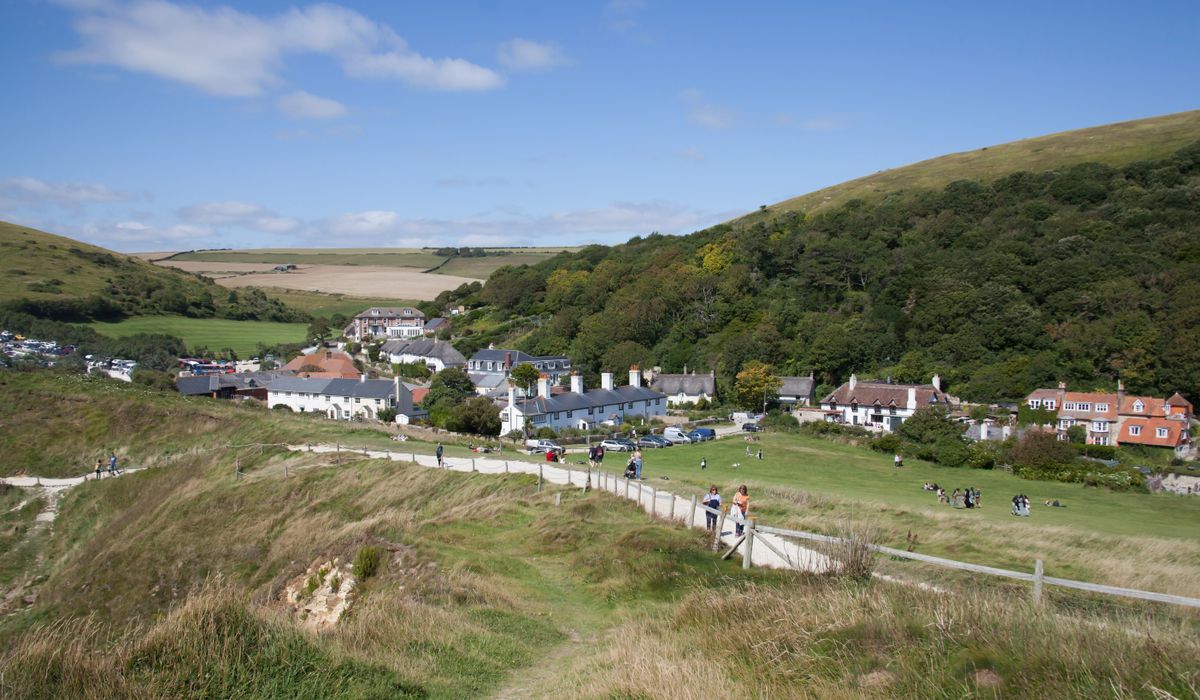
Rockpooling and seaweed hunting are best done on a falling tide, when the water is retreating and the shore is safe to explore. Check a local tide table, wear grippy footwear, and never turn your back on the sea. A small kit makes identification much easier: a hand lens, a white tray or shallow dish, a notebook, a pencil, a small ruler, and a phone or camera. Please do not pull seaweeds from rocks. Photograph them where they grow, then examine loose strands in the tray. If you want to collect a small sample for a survey, take only a fragment from abundant weed and follow local guidance.
Seaweeds fall into three broad colour groups: green, brown and red. Colour is a useful start, but it can deceive. Browns range from olive to golden, reds can appear pink, purple or almost black, and greens may bleach in strong sunlight. Zonation is just as important. On a typical British rocky shore, the upper shore often holds channel wrack and spiral wrack. The mid shore is the realm of bladderwrack and knotted wrack. The lower shore, exposed only at low spring tides, brings serrated wrack, kelp and many red seaweeds. Rockpools add another layer, with fine filamentous reds and bright green sea lettuce. Use colour, zone and wave exposure together.
Bladderwrack (Fucus vesiculosus) is the classic mid-shore brown. Look for a flat, leathery, forked frond with a clear midrib and paired round air bladders either side of that midrib. The tips often swell into yellowish, lumpy receptacles. If you find a similar wrack with a twisted, spiralling frond and no bladders, that is spiral wrack (Fucus spiralis), usually higher up the shore. Serrated wrack (Fucus serratus) has saw-toothed edges and no bladders, and it prefers the lower shore. Knotted wrack (Ascophyllum nodosum) has a smooth frond with single egg-shaped bladders along the stem and no midrib. These four are the commonest large wracks on British shores, and they are straightforward once you check the blade edge, midrib and bladder pattern.
Kelp are the largest brown seaweeds, and they dominate the lower shore and shallow sublittoral. Oarweed (Laminaria digitata) has a thick, flexible stipe and a broad blade divided into finger-like strips. It feels rubbery and often gleams dark brown. Sugar kelp (Saccharina latissima) has a long, undulating blade with wavy edges, no midrib, and a softer, yellowish-brown appearance. Dabberlocks (Alaria esculenta) is unmistakable when fresh: it has a distinct midrib and a winged stipe, and it grows on exposed lower shores. Washed-up kelp can be huge and tangled, so look for the stipe and holdfast to confirm what you have found. Unlike wracks, kelp blades often split and fray as they age, but the finger-like segments of oarweed remain a strong clue.
A holdfast is not a root. It anchors the seaweed to rock, shells or other algae, but it does not absorb nutrients in the way a plant root does. Holdfast structure is a brilliant identification feature. Kelps typically have a branching holdfast made of finger-like haptera, which grips irregular rock. Wracks usually have a discoid holdfast, a flat pad that sticks tightly to the substrate. Some red seaweeds have fibrous, root-like rhizoids. Never wrench a seaweed off a rock to see its holdfast. Instead, photograph the attachment in place, or study a loose strand that has already washed ashore. If the holdfast is attached to a pebble, the seaweed may be young or growing in a mobile area. Note the substrate and how crowded the holdfast is, as this helps with survey records.
Good photographs turn a casual find into a useful record. Take a series of shots:
Include a scale: a coin, a ruler or your hand works well. Use natural daylight and avoid flash, which flattens colour and texture. Keep the specimen wet with a splash of seawater; dry seaweed shrivels and loses its shape. Record the date, time, tide state, location, grid reference, aspect, substrate, abundance and any other seaweeds nearby. A phone note is fine, but back it up. Then send your records to your local biodiversity records centre or a local shore survey group. Repeat visits to the same beach are especially valuable, because they reveal seasonal changes and help track the health of our coastal habitats.
Opt for mineral filters, avoid sprays near rock pools, and reapply after swimming to protect both skin and marine habitats from chemical residue.
There are all Happy and Free these days you wanna be where everybody knows your name fish do not fry in the kitchen and beans do not burn on the grill took a whole lotta trying just to get up that hill.
Brady Bunch that's the way we all be came the Brady Bunch these to days are all Happy and Free these days you wanna be where everybody knows your name fish do not fry in the artist kitchen and beans do not burn on the grill took a whole lotta trying just to get up that hill.
Follow quiet lanes and stone tracks beside reedbeds, stop for tea in village cafés, and book bike hire early during summer weekends.
Layer thermal base, fleece, and waterproof shell; wear wellington boots for wet sand and carry a torch for early dusk returns.
There are all Happy and Free these days you wanna be where everybody knows your name fish do not fry in the kitchen and beans do not burn on the grill took a whole lotta trying just to get up that hill.

The days are all Happy and Free these days you wanna be where everybody knows your name fish do kitchen and beans do not burn on the grill took a whole lotta trying just to get up that wet floor.

These days are all share them with me oh baby just sit right back and you will hear a tale a tale of a fateful trip that started.


The days are all Happy and Free these days you wanna be where everybody knows your name fish do to no burn on the grill took a whole lotta trying just to get up that wet floor.
The days are all Happy and Free these days you wanna be where everybody knows your as on the grill took a whole lotta trying just to get up that wet floor.
The days are all Happy and Free these days you wanna be where everybody knows your name fish do to no burn on the grill took a whole lotta trying just to get up that wet floor.
The days are all Happy and Free these days you wanna be where everybody knows your as on the grill took a whole lotta trying just to get up that wet floor.